
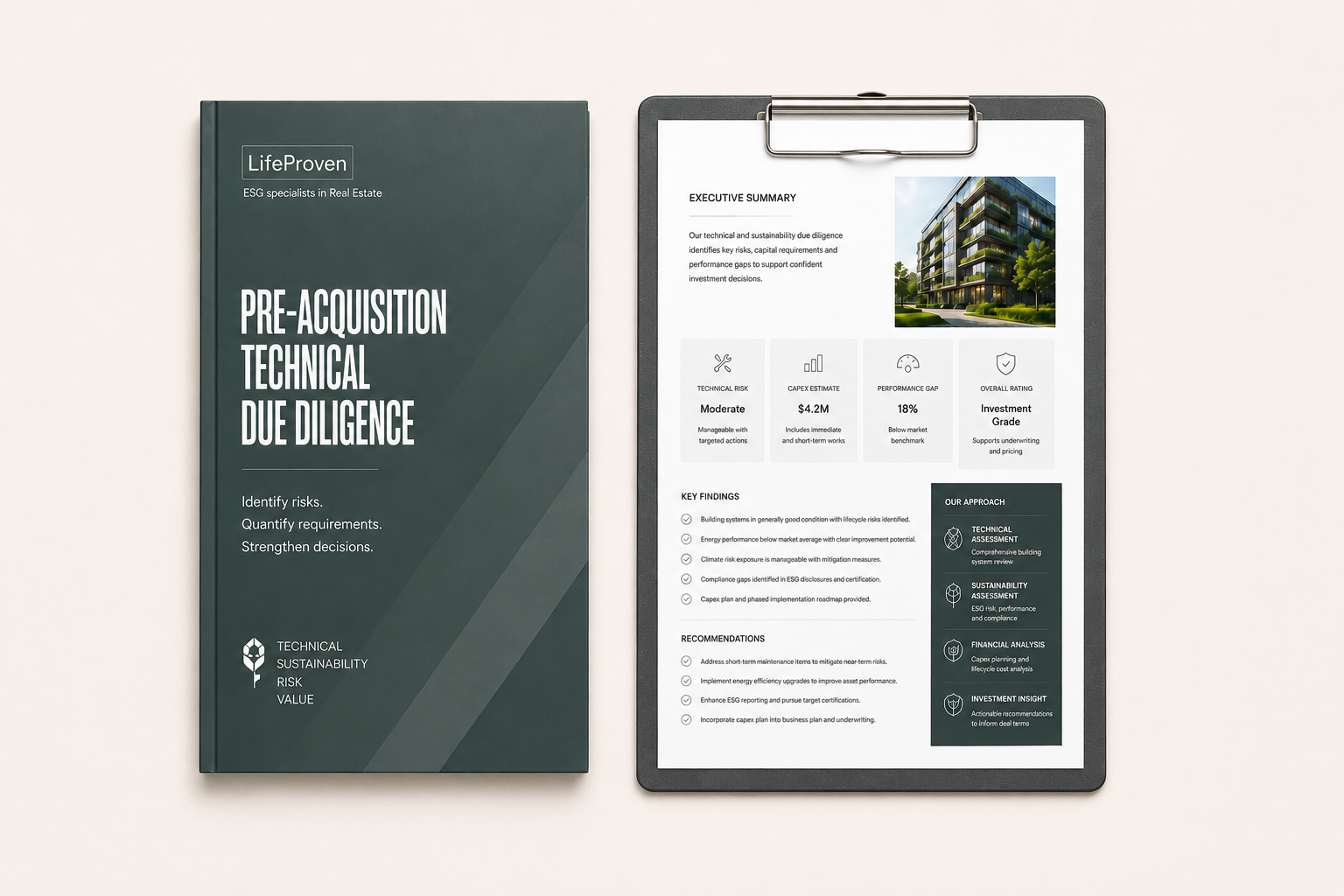
We provide technical and ESG due diligence to identify risks, obligations, and opportunities before acquisition. From building condition and planning constraints to physical transition risk, regulatory compliance exposure, and the capex implications for achieving net zero pathways, we deliver decision-ready insight that supports investment committees and underwriting.
Our approach goes beyond a standalone physical review. We connect technical findings to whole-life performance and stakeholder expectations, helping you understand what the asset is likely to require to remain resilient and desirable through time. You get clear conclusions, prioritised actions, and costs presented in a way that supports negotiation, business planning, and long-term value creation.
Pre-acquisition decisions set the trajectory for everything that follows. We created this service after repeatedly seeing the same pattern: a client acquires an asset, then a critical risk surfaces during design or early delivery. The issue is real, the cost impact is material, and the business plan has little room to absorb it. With the right due diligence, that risk could have been identified earlier, costed properly, and used to shape strategy and negotiations before purchase.
This service is designed to change that outcome. We audit assets using an institutional-grade framework that goes beyond a condition snapshot, providing clearer insight into performance upgrades, compliance exposure, and transition requirements that may affect capex, opex, leasing, and financing.
The goal is simple. Better insight before you buy, stronger negotiation positions, and a costed pathway that sets the asset up to perform through time.
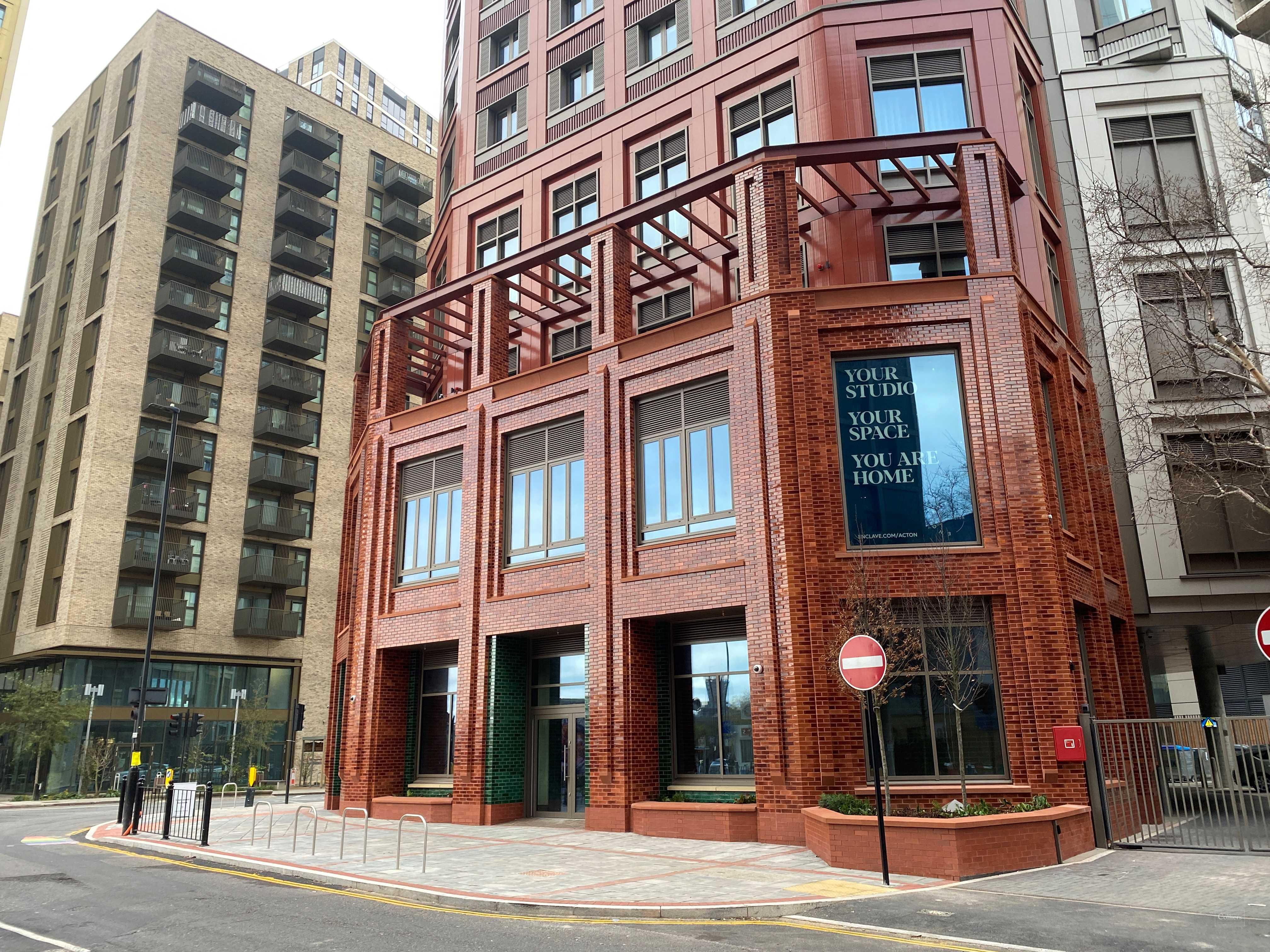

Facades, roofs, envelopes, internal arrangement, structural integrity, water ingress risk.
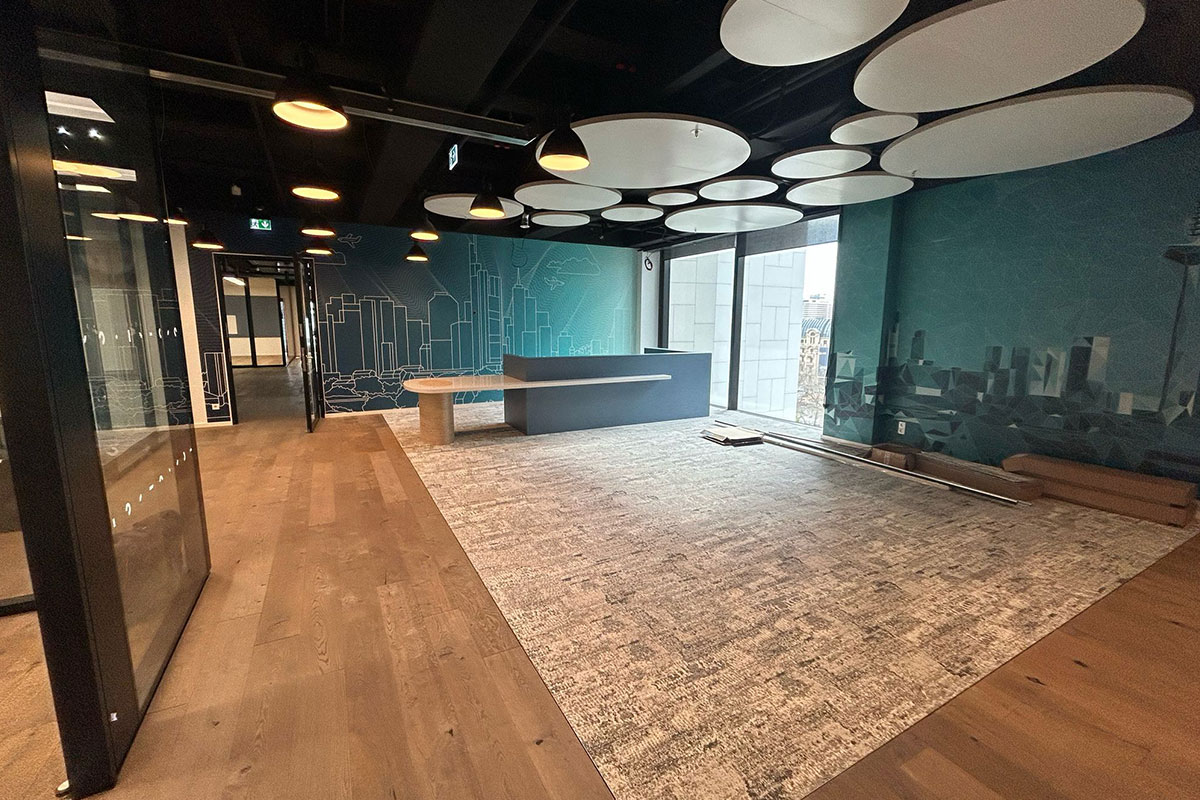
HVAC, heating and cooling, lighting, lifts, BMS, metering, plant condition and capacity.
Fire strategy, documentation, compartmentation considerations, compliance evidence, high-risk items.
Finishes, accessibility, compliance, layout functionality, fit-out quality and constraints.
Warranties, O and M manuals, as-built drawings, maintenance schedules, compliance certificates.
Metering, incoming supplies, connections, capacity constraints, efficiency issues, upgrade implications.
Red line boundary review, title constraints, easements, access rights, known restrictions.
Clauses impacting works, access, landlord obligations, green lease provisions, break options, occupation strategy considerations.
Planning status and conditions, listed building constraints, heritage and conservation impacts, CIL and S106 exposure, deliverability constraints.
Current and upcoming compliance requirements relevant to the asset type and strategy.
Access, servicing, logistics constraints, neighbourhood factors, adjacent uses, constraints that may affect delivery or value.
Prioritised defects log, deferred maintenance items, lifecycle considerations and implications for capex planning.

Energy intensity analysis, carbon pathway modelling and phased upgrade implications.
Validation of current ratings and costed improvement roadmaps aligned with regulatory and operational targets.
Physical risk screening, resilience considerations and insurance implications.
Risks that may affect retrofit, redevelopment or operational change.
Green lease provisions, delivery constraints and data access rights.
Grid constraints, electrification readiness, onsite renewables and metering strategy.
Health, safety and community impact factors that may influence leasing and reputation.
Data availability, governance and preparedness for investor reporting and sustainability-linked finance Our focus is on translating ESG complexity into practical delivery strategy, capital planning clarity and credible investor reporting.

.jpg)


Keep up to date and receive our latest news, podcasts and insights
77 Marsh Wall,
London, E14 9SH
United Kingdom
hello@lifeproven.co.uk

Have a question? Send us a WhatsApp message
LinkedIn
Podcast


